5 Benefits to Creating a Home Office in Your Finished Basement

Have you considered creating a basement office in your home? As a result of recent changes in the workforce, more Americans have started to work from home, at least part-time. Since then, a variety of home office ideas have started to circulate the internet — including basement office ideas!

Basement home offices are becoming increasingly popular among homeowners due to the many benefits they provide. We’ve put together a list of 5 advantages to creating a home office in your finished basement. Take a look at them below!

1. Increased Property Value

More and more companies are encouraging their employees to work from home as opposed to coming into the office full-time. With a built-in home office, your house is a much more attractive property on the real estate market. As work from home models become more popular, homeowners and investors will be looking to purchase properties that accommodate this new trend.

2. Minimal Distractions

If you’ve tried working from home, you already know that several distractions can arise throughout the day. Unless you live on your own, concentrating on work related tasks can be difficult. By placing your home office in the basement, you’re able to physically separate your work-life from your home-life, providing you much needed structure when working from home. 

3. Maximum Use of Space

Impromptu home offices end up taking away space from other areas in the home. A finished basement allows for your work space to be independent from every other room. You can also create additional  spaces in your finished basement such as a bar or gym, allowing you to take full advantage of every square foot in your home. 

4. Unlimited Design Options

By placing your home office in the basement, you’ll avoid having to make sure your work desk matches the furniture in your living room, or the color of your bedroom walls. You can create a completely unique color palette and spatial design for your basement home office. This gives you the freedom to choose a set-up that reflects your personality and specific design preferences! 

5. Increased Storage

Unless you have a spare room in your home that you can turn into an office, your work station can quickly become cluttered. Homeowners are often forced to push their work desks up against a living room or dining room wall, leaving little room for office storage. By building your home office in your finished basement, you’ll enjoy more space to store your office items. 

Call Matrix Basement Systems Today to Learn More About Our Finished Basements

Wondering how else a finished basement can benefit your home? Call the basement contractors at Matrix Basement Systems today to learn more about what our finished basements have been able to do for our customers. You can also submit a quick form online to grab your free, no-obligation project estimate.

Subscribe to Matrix Basement Systems Inc.’s Blog


Source

Disclaimer: all images are owned and copyright by their respective owners and website (www.mymatrixbasement.com) and “https://madcitybasement.com/blog” is for news, information, product news and reviews.

Benefits of Turning Basement Into Office

Turning your basement into an office is ideal, especially if you’re working from home. With the world rapidly adapting to working remotely, a home office can come in handy.

Although converting your basement to an office is an awesome idea, there are things to consider. For instance, you have to carefully select the type of furniture and aesthetics for your basement office. Thankfully, we cover basement office setup tips in this article.

One basement office advantage is how convenient it is. Not only is it convenient, but you also get to save money on transportation and other expenses.

Making the decision to turn your basement to a home office can be an expensive prospect. But when you consider the advantages of a home office, it’s an expense that’s worth it.

Here are pros of a basement office:

Minimal Distraction

Although working from home is convenient, distractions are the major downside. With kids seeking your attention, you realize you’re unable to finish the day’s tasks. However, you can avoid distractions from your TV set and neighbours if you have a basement home office.

When you turn your basement to an office, your mind shifts away from the comfort of your home. Having this mindset allows you to give your work the attention it deserves, shutting out other distractions.

In addition to this, you can put up a do not disturb sign on your basement door. Not only does the sign show you don’t need disturbance, but it also reduces distractions. For example, you can tell your kids or spouse only to contact you when it’s urgent.  Also, with a basement home office, you can effectively put a boundary on your work life and your personal life.

Separate Living Space from Workspace

One major challenge remote workers face is distinguishing what workspace is and what living space is. It’s even more difficult to separate work and living space with your office set up in your living room.

If you choose to turn your home basement into an office, you can effectively draw the line. Then, you wouldn’t need to worry about work creeping into your living space.

Furthermore, with your office in your basement, you don’t need to rearrange your working space. If you have unfinished business in the office, you can leave it on your desk in your basement office. You may not have such luxury if your living room is your office.

A basement office means you’re not concerned about kids messing with your files. You can safely store important files without worrying about the kids. Parents who work in their living room are particular about their children tampering with office work. The solution to this problem is turning your basement into an office.

Another important part of separating workspace from living space is that it allows you to stick to office hours. You may notice you spend more time in the office just because it’s in your bedroom.

If you turn your basement into an office, you find it easier to leave the office when it’s time. Sticking to working hours allows you to put off household chores until you’re out of the office.

Increased Property Value

One other enticing advantage of turning the basement into an office is the added value for your home. Companies now admonish their employees to work remotely from home. With this, they reduce transport-related stress, transportation and other financial costs.

Many industries are adjusting to working from home more quickly than in recent years. 2 in 10 people are permanently working from their houses. Owing to the rise in remote working, homeowners are looking for properties that can accommodate this shifting change.

With a basement office setup, your home stands a chance in a competitive buyer’s market. As a property, it becomes attractive to real estate investors if you put it on sale. Towards the end of 2020, an office space rent in Downtown Toronto was about 39.02 Canadian dollars per square foot. But, of course, you can always rent out your basement home office if you no longer need it.

Increased Productivity

In 2016, only about 4% of Canadians worked from home solely because remote working wasn’t popular. Fast track to 2021, the COVID-19 pandemic has caused an increase in the number.

In the early months of 2021, 32% of Canadians aged 15 to 69 work from home. According to a recent survey, 90% of teleworkers say they are more productive working from home.

However, the remaining 10% complain of being unable to do much work within an hour. Distractions and the comfort of their homes are the major causes of their unproductivity.

With distractions out of the way and no rush to head home, you can put in more work. With a basement home office, you tick off more items on your work to-do list.

Related Article: How Do I Upgrade My Basement Apartment?

Cost-effective

There’s no doubt that staying home saves you money. You spend less when you’re home than when you’re outdoors. The most obvious way working from your basement home saves you money is commuting. You save money on your car maintenance, thereby elongating your car’s lifespan.

Also, working from home means you don’t have to buy new work clothes. You can ditch the corporate dressing for something more comfortable, except you’re having a zoom meeting. Rather than get a new pair of shoes for work, invest the money in renovating your basement.

Additionally, you can save money on snacks and other items you purchase to and fro the office. You can always cook up something to eat during lunch break. Have a kitchenette in your basement if you’re too tired to go up and down the stairs.

Energy Efficiency

An advantage of a home basement office is that it allows you to save energy. Often, homeowners find out they spend more money on electricity bills when their basement is unfinished.

When you don’t properly insulate your basement, air escapes from it, increasing your bills. Therefore, you can save more money on outlays with a home basement office.

During the winter, an unfinished basement can cause your electricity bills to skyrocket. If you turn your finished basement into an office, you can enhance floor and wall insulation.

Related Article: How Do I Upgrade My Basement Apartment?

Separate Design Options

One problem homeowners encounter when creating an office in their living room is aesthetics. Often, they find out that the office design doesn’t complement the living room’s design. While some are only bothered about having a workspace, others find the clashing designs distracting.

You may want to go with something more simple in your office, but your living room looks too busy. The only solution to this challenge is to change your basement to an office.

The designs in your office go a long way in determining your effectiveness in the office. Heavy designs in your office can take up too much space if your basement is small. Also, a basement office advantage is you can use contrasting themes in your basement and living room. You don’t need matching furniture or wallpapers.

A basement office setup gives you the advantage to make something unique. You can create an office that suits your design choices and personality. However, as regards design, you must indulge the services of professionals. A basement finishing contractor can ensure you get the best out of your basement.

Setup Tips to Change Your Basement to Office

Rather than plunge into renovating your basement, consider its structure. Some basements are deep while others aren’t. Some basements are small, and others are spacious.

Knowing your basement structure can help in determining the best design for your basement home office. Here are basement office setup tips.

Lighting

lightingLighting is important in workspaces, homes and even basements. Lights beneath a fan can dimly light a room when in motion or cast shadows when stationary. Also, lights underneath a fan can damage the eyes after prolonged exposure. Hence, you must avoid placing lights underneath a fan.

You can also make use of a table or clamp-style lamp, which you can easily adjust. A well and brightly lit office helps you to stay awake as you complete office tasks. Conversely, a dimly lit office can cause you to strain your eyes, making you dull and sleepy.

Ensure your basement is spacious

The basement must be spacious enough to accommodate furniture like desks and a cabinet. It should also be large enough to take office equipment like a photocopier, a desktop, a dispenser and a printer. Your basement should allow enough room for people to freely walk through.

Additionally, it must be properly ventilated and able to accommodate chairs for visitors. A spacious office will reduce the occurrence of accidents and injuries. It also gives you room to decorate to your taste and have a corner for yourself.

Do some décor

A little bit of decoration takes the entire room into another dimension. For example, basements are generally considered dark, lonely, and boring areas of the house. But, if you decorate your basement, your office can look like it came from a Pinterest post. Therefore, when choosing your décor, make sure you follow a theme.

You can do anything from hanging small ornaments to putting up candles. Utilize office decorations that brighten your mood. A tastefully decorated office is certain to boost your morale and help you focus on your work.

Have a Corner for yourself

Every person needs their private corner. Unfortunately, they can’t achieve this privacy in a company office. Hence, when setting up your home office in the basement, try leaving a small area empty. Then, you can decorate this space according to your liking, your secret escape from stress.

In addition to this, you can put some exciting games there or use it as a nap corner. Whatever you do, it’ll be something that only you can use. The personal space will increase your creativity and give you a fresh burst of ideas.

A popular maxim says, “It’s comfort first, comfort last and comfort always.” Of all the purposes a basement can serve, converting it into an office is the most innovative.

Home offices provide the comfort of working with no distractions and without having to leave your home. Comfortability brings ease, increases productivity and conserves strength. Therefore, you should never compromise your comfort.

Inspect your basement

Before you change your basement to office, inspect your basement. Can it fulfill the purpose for which you’re transforming it? Will the layout allow for the design selection? A thorough inspection of your basement is important; else, you’ll only end with a room full of office furniture.

After deciding to transform your basement into an office, analyze your basement’s layout. If you’re unsure of which design best suits your basement structure, hire an expert. Your basement differs in layout from your living room or your bedroom. Consider every inch of your basement before selecting a design or furnishing it.

Related Article: How Much Does it take to Finish a Basement Apartment?

To Wrap It Up

Working from home and unsure if you should use your basement as an office? Aside from the pandemic being a good reason to have a home office, distractions hinder productivity. With a basement home office, you get to do more with less distractions.

After considering turning your basement into an office, be mindful of how you set up your office. You’ll be spending a lot of time in your office; hence it should be comfortable. Hiring a professional is advisable if you want the best out of your basement home office.

Here at Basement Finishing Company, we can help you bring your basement ideas to life. Get in touch with our elite team of basement renovators today.

Source

Disclaimer: all images are owned and copyright by their respective owners and website (basementfinishingcompany.com) and “https://madcitybasement.com/blog” is for news, information, product news and reviews.

Basement Sump Pumps 101 « 1-800-BUSY-DOG®

In this post, the basement waterproofing experts discuss everything you need to know about basement sump pumps. 

What is a Sump Pump?

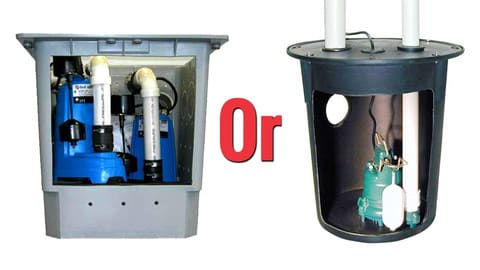
Basement sump pumps are pumps used to remove ground water that has accumulated underneath a home’s foundation. It detects when the water starts to rise and pumps it out before it enters the basement. Sump pumps are most commonly used where basement flooding is a regular occurrence.

How a Sump Pump System Works

  1. A sump pit (aka sump basin) is dug in the lowest part of the basement – that is where the pump is placed.
  2. As the water in the sump pit rises, it activates a switch that turns on the sump pump.
  3. The sump pump pumps the water out of the pit through a discharge pipe.
  4. The discharge pipe carries the water away from the home to a place where it will no longer be problematic, such as a dry well or a storm drain.

To ensure that the entire basement remains dry during heavier rains, a basement drainage system may be installed along the exterior walls, either on the inside or outside of the basement. If you have basement water problems and are installing a sump pump, our team at Basement Technologies recommends adding this crucial component to the sump pump system.

The Components of a Sump Pump Liner

The liner is the housing of the sub-floor pumping unit. The liner should have perforations from top to bottom and have solid construction at the bottom. There should be a raised platform on the bottom of the liner to allow the pump to stand off the bottom of the liner itself.

There should be an option for redundancy in each sump pump. (i.e. – You should be able to put more than one sump pump into the liner when necessary.) The optimum situation is to have (2) primary sump pumps (one over the top of the other) with a battery back-up system.

Horse-Power

Sump pumps come in many varieties and are diversified by horse-power. Most basement waterproofing sump pumps are available in 1/3HP, 1/2HP and 3/4HP models. These should be adaptable to 11?2” PVC pipe for ease of installation. The 11?2” PVC pipe is more than sufficient to handle large amounts of water in a de-watering situation. The best horse power pump for use in most basement applications is the 1/2HP.

We always recommend the 1/2HP over the 1/3HP. Most 1/2HP will pump approximately 3600 gallons per hour dependent on the “lift” to the discharge exit point.

Piggy-Back Switch

It is important to have a little more capacity when installing the primary pump. We always suggest having a piggy-back float switch where the primary motor of the pump can be plugged directly into the wall and the float switch can be by-passed. The most common way for a pump to fail involves the float switch. The piggy-back float switch cord is a great alternative to avoid a problem if the float does not work properly. By merely unplugging the back cord from the front cord and then plugging the primary cord directly into the wall (thus, bypassing the float switch) you will avoid having any disruption to the pump. Be sure that you have a piggy-back float switch whenever you buy a sump pump for a basement waterproofing system.

The pumping units installed are mechanical devices and need to be inspected and tested at least once a year. It is important that this process be scheduled as the pumps are mechanical devices and any mechanical device can have a problem or fail at some point.

Sump Pump Battery Backups

It is important to have a battery back-up in the event of an emergency situation. Power outages occur during storms, particularly when it is raining. If it is raining, your basement can get wet. If the power to the sump pump goes out, you will suffer a wet basement. Battery Back-Ups are designed to help get you safely through the storm for short periods of time. The best form of a back-up system is a direct generator for the sump pump or a whole house generator that automatically comes on if there is a power outage.

If a direct generator is not available, a battery back-up will be a good alternative to get you through the storm.

Sump Pump Discharges

Unfortunately, there is no easy answer to where to pump the water from your basement. The most common and the most reliable method is to come out from the side of the house with an 1 1?2” discharge pipe – go down directly to a Freeze Stop – switch to a 4” pipe that is placed 10” underneath the surface – going out 15’ to 20’ from the house into a Bubbler Pot.

Holes should be dug approximately 12” deep with a bed of stone underneath the Bubbler Pot. A hole is drilled in the bottom of the Bubbler Pot approximately 3?4” to 11?4” in diameter – so the water will not spray up onto the lawn as it flows into the Bubbler Pot. The water will saturate into the stone underneath. As this water builds up, it can then flow onto the lawn. Obviously, the amount of water that is pumped onto the lawn is contingent upon the amount of water pumped from the home. There is no way to measure or even guesstimate how much water will flow from the basement out onto the lawn. Therefore, it is always better to be safe than sorry. The Bubble Pot should always be placed in a location where water puddles will not affect the landscape or disrupt any other activity in the yard.

Another excellent option is the Lawn Magnum®– a patented system for water disbursement. The Lawn Magnum will not create sink holes in the yard as drywells will. It will accept the water at a 4 foot depth and push the water laterally into the aquifer. If the soil is hard and non-porous (clay) these systems should not be installed.

The Best Sump Pump

The perception of a sump pump is a visualization of an open pit with dead rodents and bugs floating around. The sump pumps of today are much different than the pumps of yesteryear. The best sump pump on the market is the Water Grabber® made by Basement Technologies. This sump pump has a radon-sealed lid with hidden pipes to avoid the old look of the sump pump described above. The Water Grabber has a drain in front (in case of plumbing pipe breakage or hot water heater failure) and the drain is radon-sealed.

Questions? Let us know how we can help. Our team at Basement Technologies is here for you!


Source

Disclaimer: all images are owned and copyright by their respective owners and website (www.basementtechnologies.com) and “https://madcitybasement.com/blog” is for news, information, product news and reviews.

Why Does my Basement Have a Musty Smell?

Our basements tend to feel a bit damper than the rest of the house, and can often come with a musty smell. The reason for this is that mould and mildew can start to form when there is a build-up of moisture or dampness in the basement. 

Even basements that are used regularly can have a musty smell. A dark, damp basement is an ideal growing spot of mould and mildew and they don’t need much encouragement. Continue reading if you are wondering how to get rid of the basement smell.

What is that smell in the basement?

Unfortunately, there can be any number of smells permeating from our basements. The most common culprits are mould and mildew, but there are other reasons there can be a musty smell in the basement.

If you keep vegetables stored in your basement, rotting vegetables may be the source of the issue. It may be coming from an animal that got in and left its droppings. Mice and other rodents may enter your home and make a mess.

There could be a sewer leak from your pipes or even next door. Or there could be a blockage or damage in your floor drains, or even something blocking or living in your vents.

Mould and mildew are most common, however, and they can come from many sources. There could be a small leak from your pipes, your washing machine, or your freezer.

Mould can also start to grow on damp walls or floors. When small cracks appear in your concrete, moisture gets trapped and it isn’t long before the mould starts along with a bad musty odour.

Why basements have an odour

Because basements are below ground they are prone to issues with moisture. Once the moisture starts to get in the small cracks or porous areas of concrete, mould can start to grow. It can happen from the inside, as well, causing a musty smell in the basement.

It can start with dampness building up on your walls in the basement. It can start from naturally occurring moisture that accumulates in a basement or from high humidity.

Humidity can come from a washroom, laundry room, or other appliances you have in the basement. These appliances can also have leaks adding more moisture to the air. There may be a lost piece of wet clothing that fell behind a machine or blocked floor drains that are not allowing excess water or moisture to dissipate. There could also be leaks behind the walls from broken pipes or taps. 

If you notice damp patches on the floor, the walls, or the ceiling, you may have a leak somewhere. It can come from drainage issues outside of the foundation, as water is not draining off and seeping in.

Check for leaks in basement

If you’re still searching “how to get musty smell out of basement,” first you need to find out where the smell is coming from.

Leaks or pooling water are some of the most common reasons for a musty smell in the basement.

Cracks

If you are wondering how to get rid of the musty smell in your basement, start by looking for cracks in the foundation. These can be very obvious or not at all. Check the walls, the floor, and the ceiling. Check behind appliances, furniture, or any items you may have stored in the basement.

All concrete has some cracks. Check the cracks you do find for moisture. You will see darker areas, damp patches, or even small drips of moisture falling out of them.

Appliances

Washers, deep freezers, dishwashers, fridges, or anything else you have in the basement that requires a water source could be the cause of this smell.

If you have a mini bar with a sink, fridge, and drainage, be sure to check for any leaks.

Pipes

Broken or damaged pipes are a very common source of leaks.

Even pipes that are not damaged can have an excess amount of condensation around them, causing the humidity to rise and start dripping.

Windows

Check the seals and frames of your basement windows. Water may be seeping in without you even realizing it.

The water could be causing the wood to rot which would also cause a musty smell in the basement.

Lower humidity level

Getting rid of the musty smell in the basement starts by bringing the level of humidity down. Once you have identified the reason your basement has a musty odour, it’s important to make the necessary repairs.Seal any gaps around your windows, taps or pipes in the walls, and repair or fill in any cracks that appear to have moisture. Some of these jobs you may be able to do on your own, but you are better off hiring a professional to make repairs.

Open your windows to air out the basement. This will help get rid of the musty smell in the basement. You can also use a dehumidifier to absorb and eliminate all the excess water and moisture in the air.

Clean Up all mildew or mould 

You might still be wondering how to get rid of mildew smell in basement. You can use cleaning solutions to get rid of the musty smell in your basement like bleach, vinegar, or borax. Ideally, you want to have it professionally cleaned to ensure that the odour does not return.

Mould can make you sick and if you are susceptible to chemicals or live with respiratory concerns, it’s crucial that you hire a professional cleaning team that has experience cleaning mould and mildew.

Steps to Eliminate Musty Smell

Once you have had the mould professionally cleaned, it’s important to keep it that way. It’s a good idea to have your basement and your foundation regularly inspected to stay ahead of these issues. 

Make sure to keep your pipes and appliances in tip-top shape and use a dehumidifier in the basement whenever possible. You can use natural air fresheners like candles, essential oils, or incense to help deodorize your basement too. Call a professional to come in and fix any cracks, or leaks, or fix or replace any damaged or old pipes.


Source

Disclaimer: all images are owned and copyright by their respective owners and website (harmonybasements.ca) and “https://madcitybasement.com/blog” is for news, information, product news and reviews.

Pros and Cons of Basement vs. Upstairs Laundry Room

If you are remodeling your home or building a new one, one of the concerns will be where to put the laundry room. Many people prefer it to be in the basement, while others like it closer to the majority of the laundry. There are certainly advantages and disadvantages to both. Some of it will depend on the type of house you have, the age and dependability of your plumbing, and your own personal choice. Laundry is not often everyone’s favourite contact sport but it has to be done. Where you put your laundry room should come down to you. Space and convenience are likely the biggest deciding factors.

Laundry Room in Basement vs. Upstairs

Laundry rooms were almost always left in the basement. They were out of the way, discrete, and some people had a clothesline up to cut drying costs. But, they are starting to move upstairs. Some people find it more convenient to have the laundry upstairs. Plus, technology with these appliances has improved greatly and they are not the unsightly beasts they used to be.

Most of the laundry needing cleaning accumulates above the basement so it makes it easier to do more loads when it is closer. But, the basement allows for more space and extra storage. If your laundry room is in an unfinished basement, it often doesn’t matter what it all looks like. But if you are remodeling your basement or building a new laundry room, you may want to move it upstairs.

When It’s Best to Move Laundry Room Upstairs

Custom stair case finishing Richmond Hill

One of the biggest reasons people want to move the laundry room upstairs is convenience. It might be difficult for someone to haul the laundry up and down the basement stairs. They may be living with an injury causing mobility concerns which make it impossible to cope. Older people may also fear falling or tripping, the risk is actually quite high. Another main reason people want the laundry out of the basement is a renovation. Making the basement into a more livable space may not include the laundry.

If you are building a suite to rent, then it wouldn’t be convenient for you or your family members to be going down into someone else’s space to do your laundry. If you need an extra bedroom or a home office, laundry noises may be inconvenient. Basements can be damp and smell of damp. This odour can transfer to your clothes or linens, in particular, if you use an indoor clothesline. The smell of mould and mildew can be difficult to get out.

Pros of Upstairs Laundry Room

There certainly are plenty of benefits to moving your laundry room upstairs. If you have the space to put in a washer and dryer, then the first bonus is convenience. It saves a lot of time and energy to put the laundry room upstairs. It is often near the kitchen and bathrooms which makes it very easy to place soiled items in or near the washer. It’s also convenient to get clothes when they are finished drying. It is easy to forget about your laundry when it is out of sight and you can’t hear the machine cycles.

Catching the rinse cycle to add softener is difficult if your washer is a floor below. No one wants to keep running up and down the stairs for that if your washer doesn’t do it automatically. It is certainly much easier to get the clothes out of the dryer as soon as it stops. It’s also easier to take things out as they dry, leaving other items in longer. We don’t often do this if we have to keep going downstairs. Your upstairs laundry room can be incorporated into a bathroom, a porch, in the kitchen, concealed in a closet, and just off the kitchen. It is often very easy to pipe into the existing plumbing.

Cons of Upstairs Laundry Room

The debate rages on, as there are going to be disadvantages to having your laundry room upstairs. Not everyone wants to have their washer and dryer on the main or second floor. Many people will be giving up precious floor space that could be used for something else. Many older homes have little to no adequate storage space. Even stacked machines need a lot of space. If you are trying to get them into a bathroom, in the kitchen, or off to the side, or even putting them in a closet, they take away space that could be put to better use.

Flooding is a big concern. Basements are equipped to cope with excessive water but your kitchen is not. A floor can severely damage your floors, cabinets, and other furniture. Washing machines can leak without you knowing it. If this happens, there can be untold structural damage before the leak is ever discovered. Your basement will have drainage and a sump pump.

Bathroom Additions and Renovations

The weight of the machines can also be too much for some types of floors. They can crack or damage your flooring, leave scratches or stains, and leave pockets where they sit or vibrate. The machines can start to bang and jump around if the clothes are uneven. Not only is this noisy, but it can cause a bit of damage. A moving machine can damage walls, break dishes, and knock stuff off countertops and out of cupboards.

You also need to decide where the dryer ventilation will go. It isn’t always easy to find a spot that doesn’t interfere with your or your neighbour’s space. If you need to make a hole, then this can come with its own complications. Machines can be noisy and this may be a real problem if you are trying to talk to someone, have a phone conversation or you have an office close by. The vibrating can be disturbing to sleeping babies or shift workers.

When It’s Ideal to Have Laundry Room in Basement

modern concept finished basement

If you have an unfinished basement or not, it is quite common to have the laundry set up in the basement. If you are looking at building a laundry room or renovating the basement, there are some great basement laundry room ideas. Not many people see our laundry facilities but that doesn’t mean it can look nice. An unfinished basement lends itself very nicely to options for a great laundry area.

Older homes tend to be smaller, so keeping the washer and dryer downstairs is more convenient and doesn’t eat up a lot of floor space. You very often have more room to add cabinets, shelves, or anything else you want. Older homes may have structural damage, as well. You don’t want to put heavy machines on a weak floor. Remember that a washing machine gets very heavy when it is full of water and clothes.

Pros of Basement Laundry Room

Basement Living Room Remodeling Image

It’s often very nice to keep the laundry machines away from the main part of your living space. Visually, they can make your space seem smaller and cramped. It can be nice to have a separate place to do the laundry. You can actually get very creative with your basement laundry room. Adding a few shelves or cupboards give you storage space. Add a table for sorting and flooding laundry, pipe in some music, and add some great work lights. Even if your basement is finished, most of us still have more room for the laundry room.

Flooding is a big concern with laundry. Washing machines can get leaks that we don’t always see right away. Your basement comes equipped to handle floods and dampness better than the rest of your home. There is drainage in your basement floor and a sump pump. These will take care of any flooding water that may occur, especially if you are not around to see it happening. There will be a lot less damage if your washing machine leaks in the basement rather than the kitchen or elsewhere. Water damage can be extensive, so keeping potential floods contained is just smart.

If your washing machine leaks from the upper floor down, then the damage can be extensive and cost a lot in repairs. The structural damage can run quite deep, in particular, if you are unaware of the leak until it’s too late. Chances are you have space to string up an indoor clothesline. This saves on energy bills and allows you to dry your clothes without your neighbours seeing all your stuff hanging out. Machines can be noisy. Keeping your laundry room in the basement keeps the noise down there, as well. If you have the room you can build walls or conceal the washer and dryer to help cut back on the amount of noise they make.

Depending on the type of clothes you wash the most, they can have a strong odour. Babies and toddlers go through a lot of clothes. You don’t need the strong smells they produce lingering around the breakfast table. Smelly work clothes are the same. Oil, mud, farmer’s clothes, these can be extremely pungent. If you are not going to get them in the machine right away, they need to be kept away from where you eat and sleep.

Cons of Basement Laundry Room

Woman Using a Calculator Image

Of course, keeping the laundry room in the basement isn’t ideal for everyone and every situation. There can be some inconveniences with this, as it will not suit everyone’s needs. Mobility may be a concern for many people. People who are getting older or can’t get up and down the stairs very well will struggle a lot with laundry in the basement. If walking is difficult, then carrying laundry will be nearly impossible.

As a result, it often doesn’t get done as often as it should. This can leave them wearing the same things over and over again. Some people have been known to just buy new clothes rather than admit they can’t get up and down the stairs. The bigger issue here is not the smelly clothes, but the safety concern. The worry that someone might take a stumble down the stairs can be terrifying. This would obviously be a reason to move the machines upstairs.

It can also be difficult to get the machines in and down the stairs. Today’s machines are not made to fit in older homes. In some cases, it can be downright impossible to get the machines through the door or down the stairs. Basements are damp and can smell of mould and mildew. This can not only get into your clothing but can make you sick. If you are spending a lot of time doing laundry, this can be a health hazard. If you have a finished basement for your teens to use, a home office, or even to rent out, then traipsing up and down the stairs can be an invasion of privacy. Other arrangements will need to be made.

Maybe you have built a granny suite for a loved one or rented it out, then you need to get the laundry room out of their space. Chances are there is going to only be the one entrance, so this will not work for other tenants. If your basement isn’t finished, you may need to add ventilation and even plumbing before you can use the space for a laundry room. You need to have proper drainage for the washer.

Contact Us

Moose Basements can help. We can turn your unused space into anything you want or need. A basement that is just sitting empty or used for storage has unlimited potential. Contact us to find out about getting a great laundry room in your basement. Our experienced contractors will work with you to make your new laundry room ideas become a reality. If you are looking for more than just a laundry room, then we can help you with whatever you need. We offer fixed pricing, extensive warranty, 100% client satisfaction, and service to the GTA.


Source

Disclaimer: all images are owned and copyright by their respective owners and website (moosebasements.ca) and “https://madcitybasement.com/blog” is for news, information, product news and reviews.

3 Ideas to Remodel Your Basement

Is your basement more of a forgotten dungeon than a cozy place to relax? Most homeowners use their basements for little more than stowing away old pieces of furniture and crates of who knows what. Not using this space is like throwing away great real estate inside your home, which might lower its market value.

Why Renovate Your Basement?

Renovating a basement is one of the finest ways to increase your home’s value because it allows you to get a lot more for your money when you want to sell. Transform it into usable space, and it will pay off well when it’s time to move out. In addition, a separate room is a perfect place to experiment with interior design because it will not be seen by anyone else.

Ideas to Remodel Your Basement

Before diving into a renovation, there are a few things to keep in mind. First and foremost, it’s vital to determine the room’s function. If you’re looking for affordable and honest basement finishing in Utah. From initial blueprints to the final coat of paint, Utah Basement Finishing does it all.

Basement Kitchen

Hosting gatherings is a breeze with a wet bar or kitchenette set up in the basement. The addition of a small kitchen transforms a bedroom and bathroom in the basement into a full suite for visitors.

Hot and cold running water, as well as power outlets for things like an under-the-counter refrigerator, a microwave, some smaller countertop appliances, and maybe even a dishwasher or dishwashing drawer, are necessities in any kitchen.

The basement is great for installing a laundry room, but you’ll need a floor sink and an outdoor exit for the dryer’s exhaust vent. The details might sound daunting but don’t fret; we’ve covered you.

Family Room

A basement is an excellent place for the family to gather for relaxed get-togethers or for the youngsters to have their own space. It’s ideal for housing a large-screen television, pool table, and other recreational equipment and storing board games, art supplies, and other leisure items.

You can complete the room and decorate it much like you would an upper-level bedroom to make it feel more at home. Pick soft, flexible furniture that can easily be moved around to suit a small or large gathering. The basement can be made even more functional by installing speakers, a computer hub, and plenty of lighting.

Built-inStorage

The basement is frequently used as a catch-all storage space for various items, including garden tools, clothes that are out of season, seasonal decorations, and personal keepsakes.

When you are remodeling your basement to make the most of the available square footage, don’t forget to arrange for a stylish and well-designed space.

For example, a wall of built-in storage closets that reach the ceiling will create the appearance of a sleek wall, but it will also provide a large amount of space for trinkets and holiday decorations.

Conclusion

Basement remodeling present design challenges. The interior designers at Utah basement finishing can assist you in creating a usable space that considers the unique characteristics of basements and allows you to take advantage of the selling feature of your house.


Source

Disclaimer: all images are owned and copyright by their respective owners and website (www.utbasementfinishing.com) and “https://madcitybasement.com/blog” is for news, information, product news and reviews.
0
Back to Top

Search For Products

Product has been added to your cart